Audio adjustments
Check Music Peak Levels with Audacity 3 Meters
Read Audacity 3 playback meters, spot peak levels and clipping indicators, and understand what these displays reveal about a music recording.

Clear answers and useful next steps for audio adjustments.
Read Audacity 3 playback meters, spot peak levels and clipping indicators, and understand what these displays reveal about a music recording.
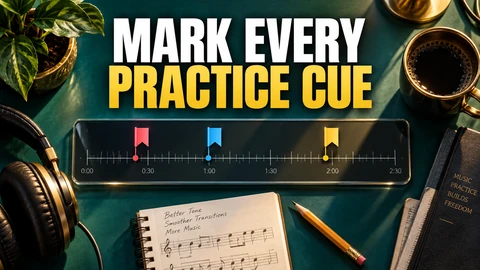
Add point and region labels in Audacity 3 to mark rehearsal cues, keep useful notes, and navigate your recording without splitting the audio file.
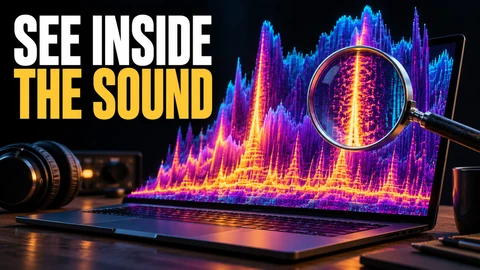
Read time and frequency in an Audacity 3 spectrogram, locate a sound for closer inspection, and understand the limits of judging music quality by a picture.
Use track pan controls in Audacity 3 to position sound in a small music mix, check left and right balance, and listen to the exported result.
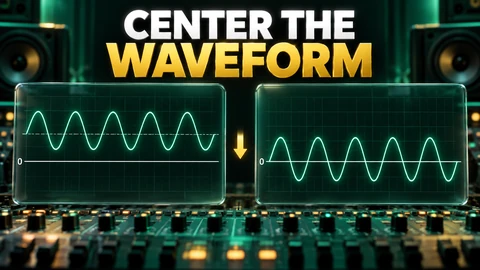
Learn how to spot and correct DC offset in Audacity 3 using Normalize’s centering option, ensuring cleaner, balanced audio before editing or mixing.
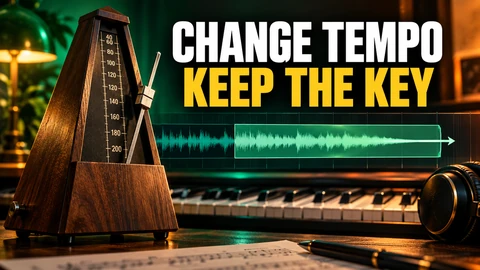
Learn how to adjust a song's tempo in Audacity 3 without affecting its key, including BPM calculations, artifact risks, and permanent output steps.
Use Audacity 3 to investigate short clicks in your own recording, compare a small repair, and avoid mistaking musical transients for unwanted noise.
Learn how Audacity 3 loudness normalization differs from peak adjustment, then test a small recording while checking balance and preserving your original.
A step-by-step guide to reducing steady hiss in music recordings with Audacity 3, focusing on noise-only profiles, residue audition, and when to stop.